


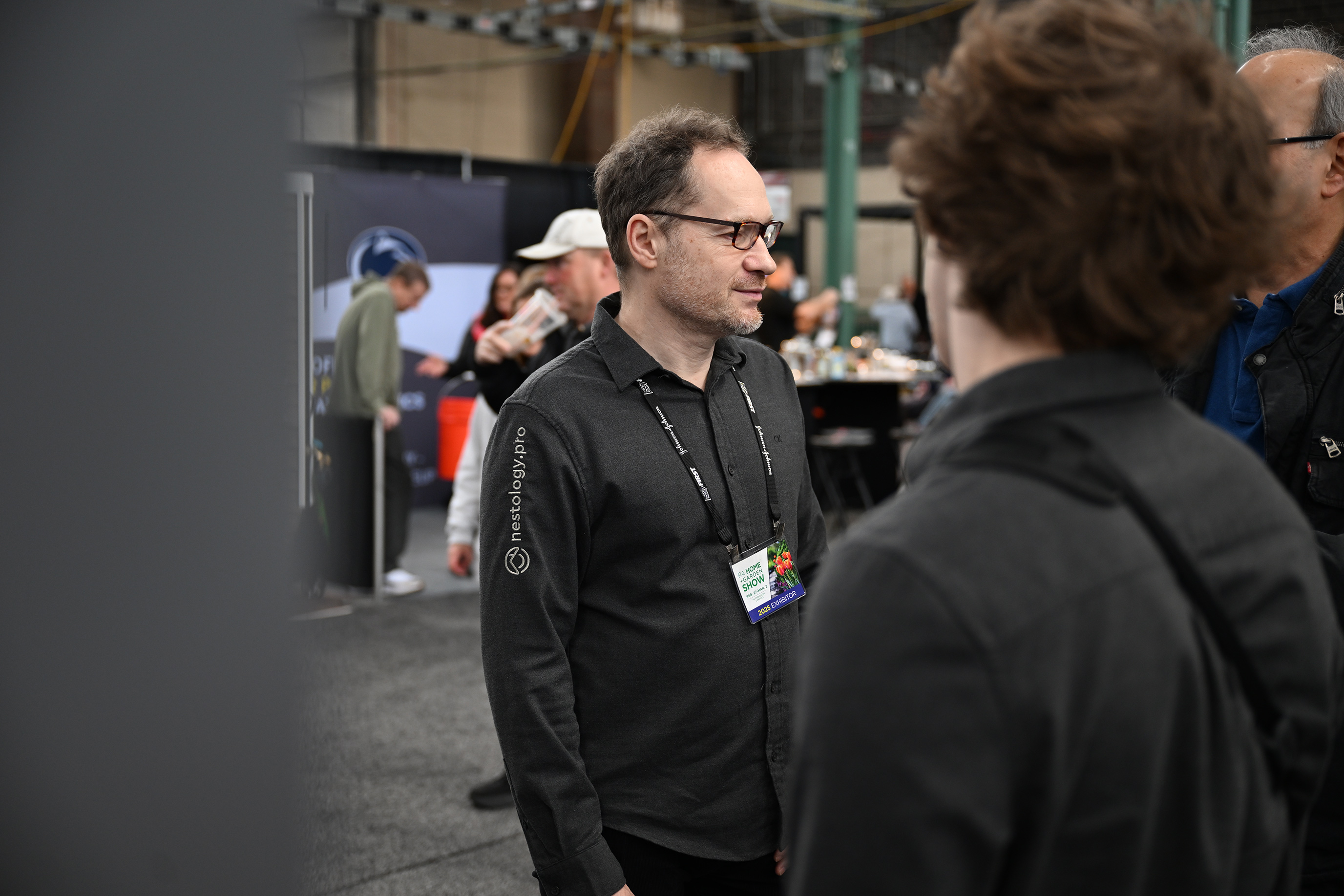
Sharing experience with local building professionals
Why home technology planning is becoming part of the design-build process before rough-in, drywall, and late-stage changes become expensive
Plan technology before the walls close. Homeowners live with those decisions for years. Technology is not going away, and planning during construction costs far less than retrofitting later”
HERSHEY, PA, UNITED STATES, August 28, 2026 /EINPresswire.com/ -- A modern home is no longer defined only by architecture, structure, electrical, plumbing and HVAC. It is increasingly shaped by lighting, motorized shades, whole-home audio, network infrastructure, security, access control, climate systems, EV charging and automation.— Paul B, CEDIA member and CompTIA Security+ certification holder
Each system may involve a contractor or vendor: electricians, HVAC contractors, shade specialists, AV teams and others, while general contractors coordinate the construction process.
But the homeowner is not building a collection of separate systems. They are building one home.
That creates a technology gap on many projects: individual trades may execute their scopes well, yet no professional is responsible for defining how the home’s technology should work together before construction decisions make options costly or impossible to change.
Power locations, wiring, conduit, equipment spaces, network pathways, shade pockets, speaker locations and expansion are not merely device decisions. They are construction decisions.
CEDIA, the Association for Smart Home Professionals, focuses on education, standards and professional practice. In 2026, it created a Design & Build Outreach department to strengthen collaboration among technology professionals, builders, architects and interior designers.
This reflects something builders are already encountering in the field: technology is becoming part of residential design, not simply something added after construction.
THE MISSING LAYER IS NOT ANOTHER SUBCONTRACTOR
For general contractors, the concern is whether a modern home really needs one more specialist.
Nestology says that is the wrong frame. A Home Technology Design & Integration partner is not there to add complexity. It is there to give the technology scope an owner.
The general contractor remains the project leader. The technology partner translates homeowner expectations into requirements, documents decisions that affect construction and coordinates dependencies with the appropriate trades.
This does not replace the electrician, HVAC contractor, architect, interior designer, shade specialist, security provider or other partners. It gives them a coordinated technology plan with decisions made early enough to be built correctly.
The builder owns the construction process. The technology partner owns the technology requirements and integration.
TECHNOLOGY DECISIONS ARE CONSTRUCTION DECISIONS
Motorized shades may look like an interior finish, but they can affect power, framing, recessed pockets, window details, controls and integration with lighting, climate and automation. The fabric can be selected later. The opportunity to prepare the house may not be.
Whole-home audio is similar. “We want music throughout the first floor and outside” can affect speaker placement, wiring, ceiling coordination, equipment locations and network infrastructure. Without early planning, the result can become visible equipment, compromised placement or disconnected systems.
The network is foundational, supporting cameras, access control, audio, lighting, HVAC controls, energy systems and remote management. Equipment locations, wired connections, Power over Ethernet and future pathways deserve the planning discipline as other infrastructure.
As homes become more connected, privacy and security become design questions. Cameras, occupancy patterns and remote-access credentials can reveal sensitive information. Account ownership, secure remote access, network segmentation and cloud dependencies should be considered deliberately.
A modern home should not become less private simply because it becomes more capable.
When a homeowner asks for something as simple as an “Away” mode, that requirement may touch security, lighting, shades, HVAC and access systems supplied by different trades.
Integration does not begin with an app. It begins with requirements.
BUILD FOR OPTIONS, NOT FOR TODAY’S GADGETS
Early technology planning is not about predicting every device a homeowner will want in five or 10 years. Platforms evolve, manufacturers change direction and products reach the end of their lifecycle.
The more valuable objective is to preserve options.
A homeowner may not want shades in every room at move-in, but power and pathways can keep that option open. They may not install outdoor cameras immediately, but a properly placed cable can prevent a disruptive retrofit. They may own one EV today and two later.
The devices will change. The house should not need to be rebuilt each time they do.
Future-ready planning also means avoiding unnecessary lock-in. A closed system may suit a project, but the platform should serve the architecture of the home, not become the architecture itself. Where practical, planning should preserve serviceability, documentation and the ability to replace or expand components without rebuilding around one manufacturer or dealer.
Requirements first. Architecture second. Products and platforms third.
This is the difference between technology selection and technology readiness. A project does not need every feature on day one. It needs an architecture that supports reasonable future choices without forcing the homeowner to reopen finished walls later.
A BUILDER ADVANTAGE
For builders, this creates an advantage rather than another burden. Early technology planning can establish clearer scope before rough-in, reduce late-stage requests, prevent conflicts among trades and reduce expensive rework or homeowner disappointment after closing.
It also tells the client that the builder has thought beyond closing day and protected the investment in a home they expect to live with for years. Addressing technology during construction is far more efficient than leaving the homeowner to discover needs later as retrofit problems.
A strong builder does not perform every specialist function. A strong builder ensures those functions have a defined place in the project process.
Nestology operates as the technology-design authority within that process, defining requirements, documenting decisions, coordinating dependencies and validating that integrated systems work as intended. Its engineering-driven, vendor-independent approach covers lighting, shading, networking, security, control and connected-home infrastructure.
The general contractor retains control of the project. The technology scope no longer falls between trades.
Technology is entering the home either way. The opportunity for builders is to decide whether it arrives as a late-stage complication or as part of a well-executed plan.
ABOUT NESTOLOGY PRO
Nestology.pro is a Hershey, Pennsylvania-based home technology design and integration studio serving Central Pennsylvania. The company provides technology planning, infrastructure design, systems integration and project coordination, emphasizing reliability, privacy, cybersecurity-aware design and long-term serviceability.
Nestology.pro
Central PA smart home design studio
+1 717-298-7889
contact@nestology.pro
Visit us on social media:
LinkedIn
Instagram
Facebook
Other
Legal Disclaimer:
EIN Presswire provides this news content "as is" without warranty of any kind. We do not accept any responsibility or liability for the accuracy, content, images, videos, licenses, completeness, legality, or reliability of the information contained in this article. If you have any complaints or copyright issues related to this article, kindly contact the author above.
