


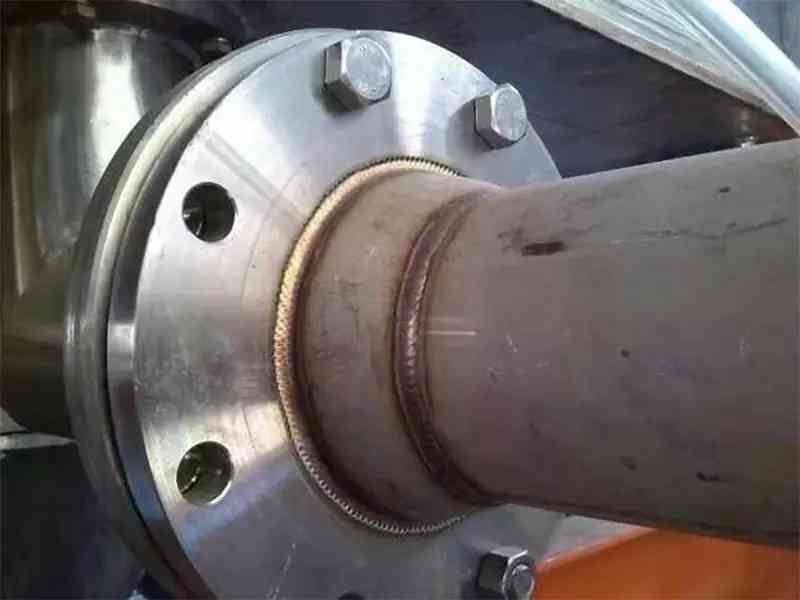
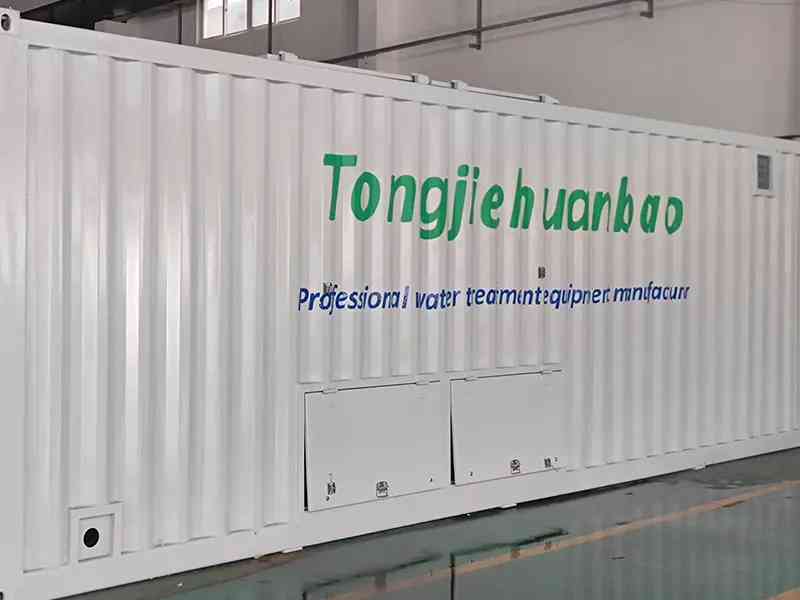
For project engineers, the practical value of modularization is not merely the container enclosure itself. Rather, it is the ability to complete process integration, pipe fabrication, electrical wiring, and hydraulic verification under factory quality controls before equipment departs for site.
Why Factory Prefabrication Changes Modular Desalination Project Delivery
Factory prefabrication reshapes project execution by decoupling high-pressure treatment plant construction from site civil preparation. A modular SWRO package arrives with the main membrane racks, energy recovery circuits, chemical dosing skids, and central control cabinets fully integrated, allowing field teams to focus strictly on external battery limits: raw water intake, concentrate outfall, product water storage, and electrical supply.
Traditional stick-built water treatment installations require coordinating multiple specialized trades—pipefitters, certified high-pressure welders, and instrumentation technicians—under challenging field conditions. In remote coastal facilities, island resorts, and desert camps, skilled labor is expensive, scarce, and subject to weather interruptions. Prefabricating the entire treatment train in an industrialized shop environment ensures structural weldments, piping passivation, and electrical terminations adhere to strict quality assurance procedures rather than field improvisations.
This methodology delivers significant value when civil works and commissioning windows are tight. The engineering advantage lies in minimizing on-site work to standardized flange and cable tie-ins, compressing installation timelines from months down to several weeks or days.
What Is Integrated Before a Modular SWRO System Leaves the Factory
A containerized module consolidates pretreatment, reverse osmosis, controls, cleaning systems, internal piping, and access routes into an intermodal freight envelope. Standard 20-foot and 40-foot container formats provide predictable shipping dimensions while accommodating capacities from 20 to 500 tons per day per enclosure.
Inside the enclosure, factory integration brings together multiple critical treatment stages:
Raw Water Boosting & Pretreatment: Feed booster pumps, multi-media quartz sand and anthracite pressure filters, and 5-micron security cartridge housings to remove suspended solids.
Chemical Conditioning: Dosing assemblies for coagulants, scale inhibitors, and biocides, complete with day tanks and containment bunds.
High-Pressure Desalination Train: Industrial high-pressure pumps driving spiral-wound polyamide reverse osmosis membranes mounted in heavy-duty FRP vessels, complemented by optional energy recovery devices.
Maintenance & Cleaning: Fully integrated clean-in-place (CIP) neutralization skids with chemical tanks and circulation pumps.
Power & Automation: Central electrical distribution panels, variable frequency drives (VFDs), and programmable logic controllers (PLCs).
Crucially, internal engineering must preserve maintenance accessibility rather than maximizing component packing density. Standard layouts maintain minimum operating aisles of 800 mm, allowing operators to extract 40-inch membrane elements, inspect pump mechanical seals, and replace filter cartridges without unbolting adjacent piping headers.
Shanghai Tongjie provides OEM manufacturing built to customer drawings and specifications, aligning the modular layout with an EPC or distributor’s exact technical requirements before production begins.
How Pre-Shipment Tests Build the Factory Release Baseline
Pre-shipment testing establishes an objective technical baseline for the assembled system before transport, minimizing costly on-site troubleshooting.
The factory testing protocol follows three rigorous verification stages:
Hydrostatic Pressure Testing: High-pressure membrane vessels, headers, and process manifolds are tested at 1.25 to 1.5 times the maximum rated design pressure (up to 70–80 bar) to verify zero leakage across all welded and flanged joints.
Hydraulic Flow Testing: Clean water is circulated through low- and high-pressure loops to verify pump performance curves, inter-stage pressure drops, and valve seating.
Electrical & Control Logic Simulation: Technicians simulate operational sequences and safety interlocks (including low suction pressure, high discharge pressure, motor overload, and emergency stop) to ensure the PLC triggers protective shutdowns instantly.
Documenting these checks through formal Factory Acceptance Testing (FAT) data sheets provides engineering buyers with a clear benchmark against which site commissioning performance is validated.
A practical factory release sequence connects the assembled package to repeatable acceptance checks, including mechanical and piping inspection, hydrostatic pressure checks, electrical-control simulation, and export preservation packaging. This clear baseline establishes a transparent division between factory-complete scope and site installation responsibilities.
Which Site Interfaces Remain After Factory Integration
While containerization significantly streamlines site assembly, a modular SWRO plant remains dependent on external site conditions that must be resolved prior to delivery.
Feedwater characteristics directly dictate long-term membrane health. Intake facilities—whether open-sea intakes, beach wells, or coastal collector sumps—must supply the specified flow volume at adequate suction head. Brine concentrate discharge routing must also be engineered and permitted to ensure environmental compliance and adequate marine dispersion.
Civil preparation requires an engineered concrete slab or compacted foundation capable of supporting 20- to 35-ton static and dynamic loads without differential settling. External tie-in points for raw water, permeate delivery, concentrate reject, and main power cabling must be clearly defined in advance so the field team can connect the unit without modifying internal pipework.
How Layout and Remote Monitoring Affect Lifecycle Execution
A sound modular design preserves long-term maintainability. Ergonomic layouts ensure routine tasks—such as logging gauge pressures, calibrating conductivity transmitters, and replenishing chemicals—are straightforward for plant operators.
To support unstaffed or decentralized installations on remote islands and industrial camps, the platform integrates industrial 4G/5G or satellite IoT communication gateways. Operating telemetry—feedwater TDS, membrane pressure, permeate conductivity, and flow rates—is transmitted to centralized cloud dashboards in real time.
This remote visibility enables off-site technical specialists to analyze membrane normalization trends, detect gradual scaling early, and guide local caretakers through routine maintenance, significantly lowering unplanned downtime and lifecycle operational costs. For B2B buyers, prefabrication, maintainability, and remote monitoring function as an integrated operational package.
Modular Seawater Desalination Prefabrication and Testing FAQ
Addressing prefabrication questions helps procurement teams establish realistic technical specifications and commissioning schedules.
What Should Be Completed Before a Modular SWRO Unit Ships?
All internal piping, membrane racks, high-pressure pumps, chemical dosing skids, central control panels, and agreed FAT protocols should be completed and documented before factory release.
Is Factory Testing the Same as Final Site Commissioning?
No. Factory testing validates mechanical, hydraulic, and electrical integrity under controlled baseline conditions, whereas site commissioning verifies performance using actual site feedwater, utility power, and local discharge conditions.
Which Factory Tests Matter Most for an OEM Desalination Package?
Hydrostatic pressure testing of high-pressure manifolds, hydraulic flow rate verification, and full electrical-control simulation represent the three indispensable testing pillars.
Does Containerization Remove the Need for Civil and Utility Planning?
No. Containerization eliminates internal building construction, but projects still require an engineered foundation pad, lifting crane access, raw water intake lines, brine drainage, and electrical power hookups.
What Should Procurement Teams Put in the Technical RFQ?
Specify raw water analysis (TDS, temperature, turbidity), required product water duty, daily volume, power characteristics, container size preferences, required FAT documentation, and battery limit responsibilities.
Turn Project Inputs Into a Factory Build and Commissioning Package
A well-structured modular desalination RFQ connects raw water chemistry, target capacity, power availability, and site interfaces into an actionable technical brief, providing manufacturers with a defined build basis and giving buyers measurable acceptance criteria.
Submit your raw water test data, daily volume requirements, and site interface parameters through the Shanghai Tongjie inquiry channel to define the modular configuration, pre-shipment test scope, and delivery schedule before quotation.
Shanghai Tongjie Environmental Protection Technology Co., Lt
Shanghai Tongjie
email us here
Visit us on social media:
LinkedIn
Facebook
TikTok
X
Legal Disclaimer:
EIN Presswire provides this news content "as is" without warranty of any kind. We do not accept any responsibility or liability for the accuracy, content, images, videos, licenses, completeness, legality, or reliability of the information contained in this article. If you have any complaints or copyright issues related to this article, kindly contact the author above.
