


Particle Size Anchoring: Achieving 18–25μm Consistency
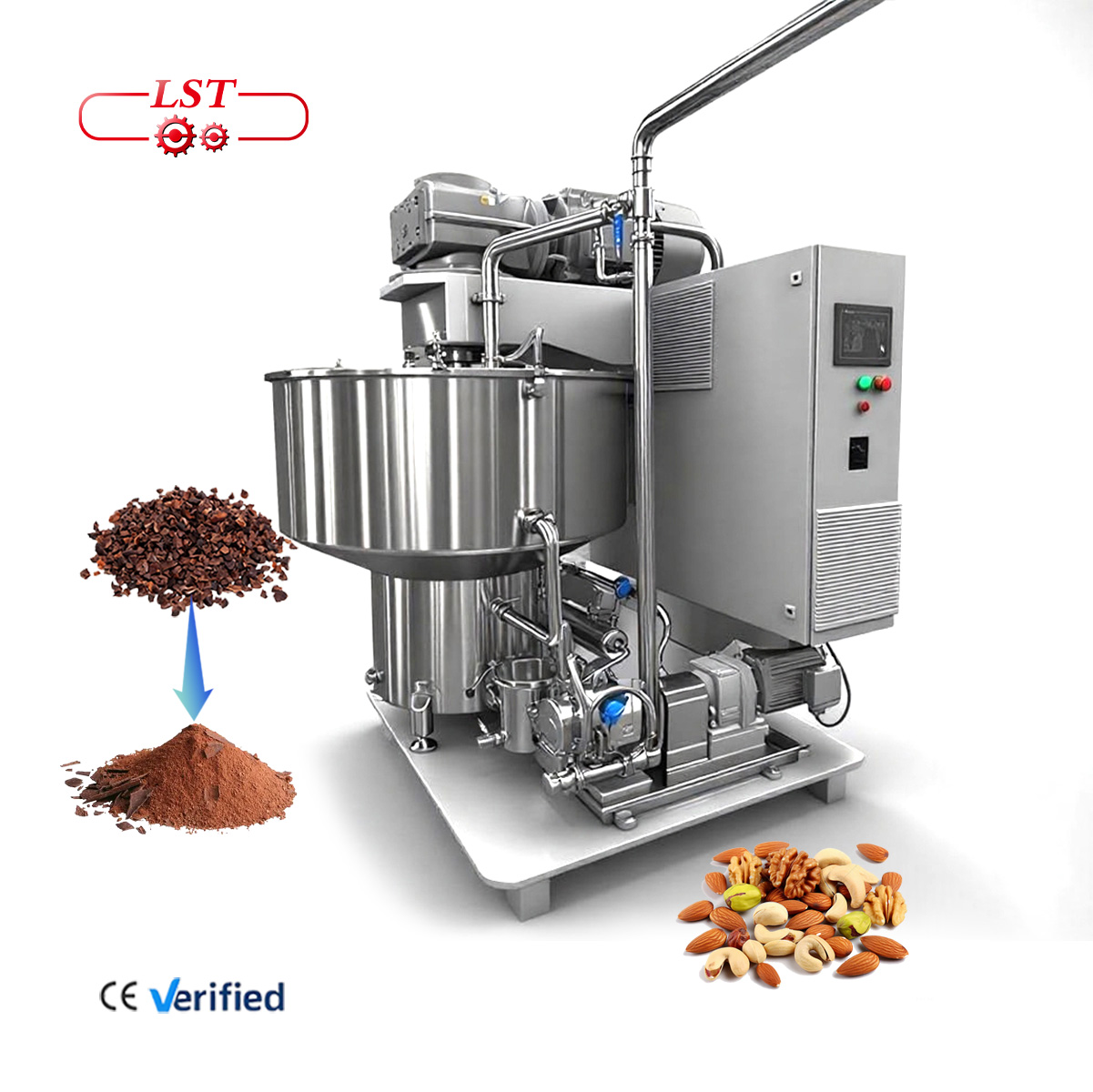
Particle size reduction serves as the definitive benchmark for finished chocolate texture and palatability. Sensory testing indicates that human taste receptors can detect individual grain particles once they exceed 30 microns in diameter, resulting in an undesirable sandy mouthfeel. Achieving a consistently smooth product requires refining cocoa liquor, sugar crystals, and milk powders down to a target size between 18 and 25 microns. Traditional processing configurations rely on multi-roll refiners that demand pre-ground sugar inputs and frequent mechanical gap adjustments. To streamline this workflow, horizontal ball mill systems engineered by LST process coarse granulated sugar and liquid cocoa liquor directly in a single processing step.
Raw granulated sugar particles enter the heavy-duty grinding cylinder alongside liquified cocoa fats and dairy solids. Inside the chamber, high-density alloy steel balls tumble under controlled mechanical rotation, systematically reducing 99.99% of solid particles to 18–25 microns. By removing the need for separate sugar pulverizers and roll refining stages, chocolate producers streamline plant floor layouts while lowering initial capital investments and reducing daily material handling tasks.
In addition to horizontal ball mills, conche equipment provides critical support in particle refinement and thermal flavor maturation. Traditional conching systems handle physical particle shearing while driving off unwanted volatile organic acids through temperature-controlled mechanical agitation. Equipment engineered by Chengdu LST Science and Technology Co., Ltd. integrates conching units that work alongside ball mill grinding circuits. These conches provide secondary refinement down to 20–25 microns while ensuring uniform fat coverage across newly exposed sugar particle surfaces. Deploying these two technologies together gives manufacturers a balanced processing sequence, separating heavy physical mass breakdown from thermal flavor development into efficient, controlled processing stages.
Energy Efficiency Architecture: Reducing Process Duration and Power Input
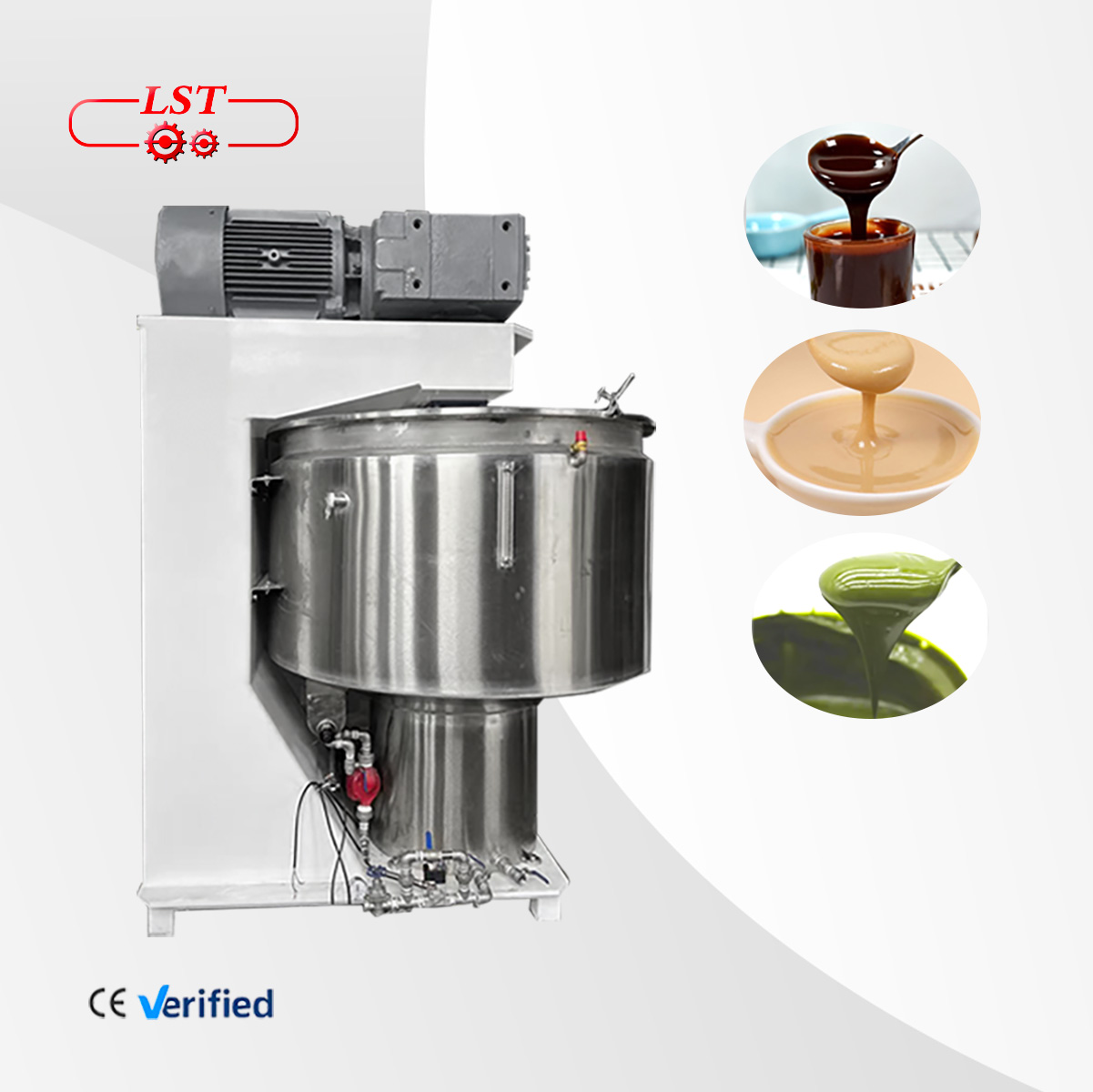
Energy consumption represents one of the largest continuous overhead costs in commercial chocolate production. Conventional roller refiners depend on high mechanical friction and heavy drive motors, generating considerable thermal heat that requires continuous refrigeration. Horizontal ball mills manufactured by LST address this power requirement by pairing efficient mechanical friction with active internal thermal regulation. By circulating hot or cold water through a double-jacketed chamber, the equipment maintains stable mass temperatures throughout the grinding cycle. This precise thermal management enables a high quality chocolate grinder to shorten overall refining cycles by 8 to 10 times compared to standard roll refiners, while simultaneously lowering electrical power consumption by 4 to 6 times for equivalent batch volumes.
Careful component selection further reinforces these electrical energy savings. A 7-horsepower water-cooled drive assembly inside ball mill systems achieves processing throughput comparable to traditional 20-horsepower air-cooled grinding units. Operating at a significantly reduced horsepower rating lowers continuous electrical power draw across multi-shift production schedules while minimizing ambient heat release into the processing room.
Furthermore, Chengdu LST Science and Technology Co., Ltd. incorporates Schneider Electric components and Delta PLC control units to manage drive motor acceleration. These automated controls prevent current surges during cold starts and adjust torque output dynamically as mass viscosity changes. Controlled internal ball movement also reduces friction wear on internal lining plates and steel grinding media, extending component operational lifespans and lowering long-term maintenance requirements.
Sanitation, Compliance, and Operational Safety Under CE Standards
Mechanical efficiency loses value if a machine introduces contamination risks or creates lengthy sanitation downtime between batch changes. Meeting European CE certification standards requires structural modifications that directly benefit daily plant operation.
Chengdu LST Science and Technology Co., Ltd. constructs product contact surfaces using food-grade SUS304 stainless steel, preventing corrosion from acidic cocoa liquor or cleaning agents. Internal vessel sleeves are fully replaceable, protecting the primary structural housing from mechanical wear over years of continuous operation.
Key technical safeguards and sanitation features built into these processing units include:
High-intensity inline magnetic filters that capture metallic micro-particles before mass flows to downstream holding tanks.
Automated CIP (Clean-in-Place) hot-water wash cycles that shorten turnarounds between dark, milk, and white chocolate batches.
Closed-loop plumbing circuits that prevent external air contaminants from entering during grinding.
Integrated thermal sensors that trigger automatic shutdowns if internal pressures or temperatures exceed preset limits.
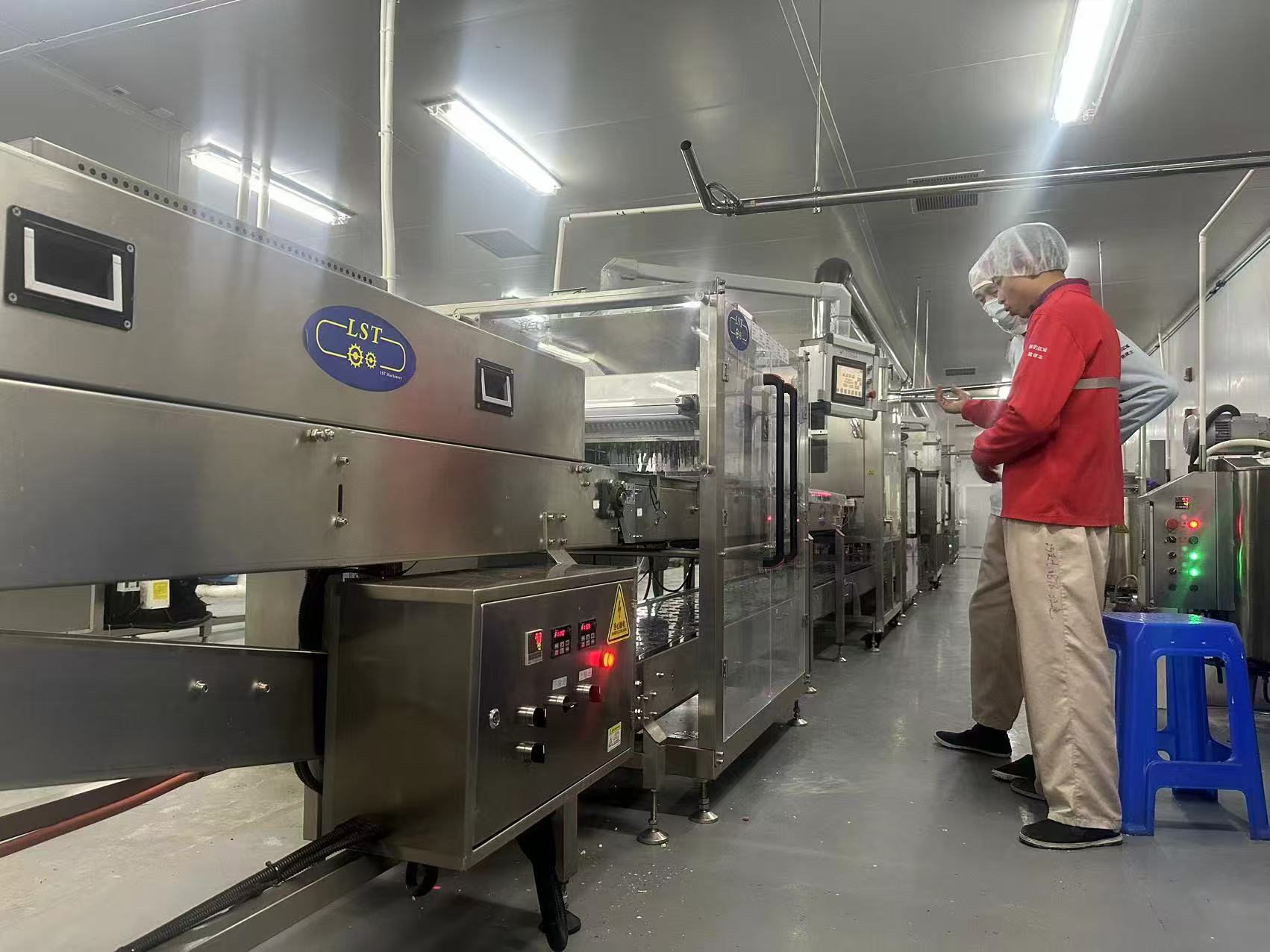
From a labor standpoint, human-machine interface (HMI) touchscreens allow operators to program batch parameters, monitor drive loads, and save custom recipes. Visualizing operational metrics on-screen reduces operator error and minimizes unscheduled downtime, allowing a single technician to oversee multiple refining lines safely.
Evaluating Long-Term Efficiency Benefits
Decoding fine grinding efficiency reveals that long-term processing success depends on balanced equipment design rather than simple speed increases. True operational value emerges when stable particle size distribution, reduced electrical consumption, and simple sanitary compliance operate in harmony. Processing lines that maintain tight micron limits while reducing power input give confectionery manufacturers a predictable path to higher production output. Choosing an experienced China high quality chocolate grinder supplier enables food factories to maintain consistent finished product standards while controlling operating costs.
Equipment engineered by Chengdu LST Science and Technology Co., Ltd. unites solid mechanical construction with automated operational control. Facilities seeking to balance daily production volume, energy conservation, and safety standards can explore complete technical specifications, line configurations, and equipment details directly at https://www.lst-machine.com/
Chengdu LST Science and Technology Co., Ltd.
Chengdu LST Science and Technology Co., Ltd.
+ +86 17780510820
email us here
Visit us on social media:
Facebook
YouTube
Legal Disclaimer:
EIN Presswire provides this news content "as is" without warranty of any kind. We do not accept any responsibility or liability for the accuracy, content, images, videos, licenses, completeness, legality, or reliability of the information contained in this article. If you have any complaints or copyright issues related to this article, kindly contact the author above.
