


SHANGHAI, SHANGHAI, CHINA, August 19, 2026 /EINPresswire.com/ -- The rapid transition toward Industrial 4.0 has redefined the expectations for precision engineering and production efficiency. Manufacturers no longer view dynamic balancing as a standalone quality check but as an integrated component of a smart production ecosystem. Identifying a Future Leading Industrial Equipment Balancing Manufacturer requires looking beyond basic hardware to evaluate a supplier's ability to provide systemic solutions. A forward-thinking partner integrates automation, data traceability, and industry-specific expertise into a unified workflow. This strategic alignment allows enterprises to reduce operational bottlenecks while maintaining superior product standards. By focusing on the evolution from individual machines to comprehensive systems, organizations can secure a significant competitive advantage in an increasingly automated global market.
1. Beyond Unit Procurement: The Strategic Shift to Integrated Production Ecosystems
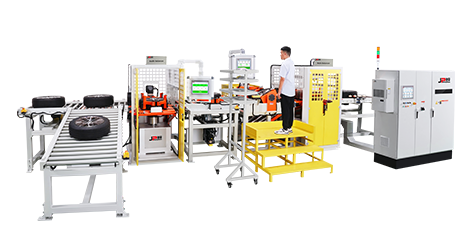
Traditional procurement strategies often focus on acquiring individual machines to solve specific mechanical issues. However, modern manufacturing environments require a more holistic approach where every piece of equipment communicates within a larger production flow. A leading-edge manufacturer prioritizes the development of integrated production ecosystems that synchronize multiple stages of assembly and testing. For instance, the Tire wheel automatic assembly line developed by Shanghai Jianping Dynamic Balancing Machine Manufacturing Co., Ltd represents this shift toward total system integration.
Instead of treating balancing as a final, isolated step, integrated lines incorporate cleaning, marking, and sorting into a continuous process. This synchronization eliminates the logistical delays associated with moving workpieces between different stations. Furthermore, automation reduces human intervention, which significantly lowers the risk of handling damage or manual entry errors. By sourcing from a manufacturer that understands these complex interdependencies, industrial clients can achieve higher throughput without sacrificing the delicate precision required for high-speed components. The move toward "one-stop" production cells signifies the maturity of a supplier who views balancing as a central pillar of manufacturing excellence rather than an afterthought.
2. Digital Intelligence at the Core: Leveraging Linux-Based Systems for Predictive Data Traceability
The intelligence of a balancing system resides in its ability to process information and provide actionable insights. Future-oriented manufacturers distinguish themselves by utilizing advanced operating environments, such as Linux-based measurement units, to enhance data security and processing speed. Systems like the measuring unit JP-800 series unit provide a stable platform for complex algorithmic calculations, allowing for real-time vibration analysis even in high-interference factory settings. This digital foundation enables a level of precision that traditional single-chip controllers cannot match.
More importantly, these smart systems facilitate comprehensive data traceability. Every balancing operation generates a digital footprint that includes the initial unbalance, the correction method, and the final verification. This data is essential for industries with stringent quality standards, such as the aerospace and automotive sectors. When a manufacturer integrates these measurement units into a cloud-ready infrastructure, it allows for remote monitoring and predictive maintenance. Engineering teams can analyze historical trends to identify wear in upstream machinery before it leads to defective parts. This proactive use of data transforms the balancing machine into a diagnostic tool that optimizes the entire production chain.
3. Sector-Specific Innovation: Solving Complex Dynamics in High-Growth Industries
As industries become more specialized, generic balancing solutions often fail to address unique mechanical constraints. A future leader in the field invests heavily in sector-specific research and development to solve these unique challenges. For example, the rise of electric vehicles (EVs) has created a demand for high-speed motor armatures that require extreme precision. Specialized equipment like the wound armature automatic balancer from JP addresses the specific mass distribution challenges inherent in copper-wound rotors.
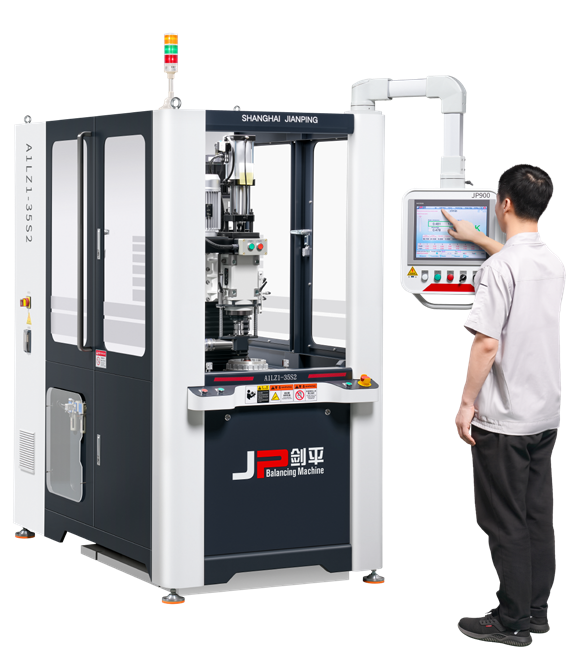
Similarly, the vertical drilling automatic balancer (A1LZ1 series) targets components that require precise axial correction, such as pump impellers or brake discs. These machines do not just measure unbalance; they integrate the drilling or milling correction unit directly into the measurement cycle. This sector-specific innovation ensures that the correction process respects the structural integrity and aerodynamic properties of the component. By choosing a partner with a diverse portfolio of industry-targeted machines, enterprises can avoid the inefficiencies of modifying general-purpose equipment. Expert suppliers provide pre-engineered solutions that align with the specific technical standards of the client's industry, from household appliances to automotive and to heavy railway transportation.
4. Scalability and Modularity: Future-Proofing Investments Through System-Level Upgrades
In an evolving market, the ability to scale production capacity is vital for long-term viability. A visionary manufacturer designs its systems with modularity in mind, allowing clients to upgrade their capabilities without replacing entire production lines. This approach to "future-proofing" ensures that initial capital investments remain productive as technology advances. Shanghai Jianping Dynamic Balancing Machine Manufacturing Co., Ltd exemplifies this by offering modular measurement units and upgradeable software packages that grow with the user's needs.
A modular system allows a company to start with a semi-automatic setup and gradually transition to a fully automated assembly line as demand increases. This flexibility is particularly valuable for small and medium-sized enterprises that need to manage their capital expenditure carefully. Furthermore, modularity simplifies maintenance and repair, as specific components can be serviced without shutting down the entire facility. When a supplier prioritizes system-level longevity, they demonstrate a commitment to the client's long-term success. This strategic partnership ensures that the manufacturing facility remains competitive as industry standards and consumer demands shift over time.
5. The "Maturity" Advantage: Global Technical Seminars and CNAS-Accredited Asset Security
The final advantage of partnering with an industry leader lies in the "soft" infrastructure that supports the hardware. Technical excellence is hollow without a robust service ecosystem to maintain it. As the first balancing machine manufacturer in China to achieve CNAS accreditation, JP(Shanghai Jianping Dynamic Balancing Machine Manufacturing Co., Ltd) provides an objective benchmark for measurement reliability. This certification ensures that every machine adheres to international standards, providing the asset security required for global trade.
Beyond certification, a leading manufacturer fosters a culture of knowledge transfer. Through global technical seminars and specialized training programs, suppliers empower their clients to master the science of dynamic balancing. These programs cover everything from basic vibration theory to the operation of complex automated lines. This educational support ensures that the client's internal team can maximize the performance of the equipment and troubleshoot minor issues independently. Combined with a responsive global after-sales network, this maturity ensures that downtime is minimized and production continues uninterrupted. A supplier that invests in its clients' expertise proves that it is more than a vendor; it is a steward of industrial quality.
Strategic Conclusion: Aligning with a Visionary Partner for Sustainable Industrial Excellence
Selecting an industrial equipment supplier is a decision that impacts an organization's operational health for decades. The transition from purchasing individual units to investing in integrated, intelligent systems marks the difference between surviving and thriving in the Industrial 4.0 era. By focusing on automation, digital intelligence, and sector-specific innovation, Shanghai Jianping offers a roadmap for manufacturing excellence.
The synergy between advanced mechanical structures and proprietary digital systems creates a foundation for sustainable growth. As manufacturers worldwide seek to eliminate vibration and enhance precision, the role of a forward-thinking balancing expert becomes indispensable. Organizations that align themselves with such a visionary partner gain more than just machinery; they secure a strategic ally capable of navigating the complexities of modern rotor dynamics.
For more information on the latest in balancing technology and automated solutions, please visit the official website: https://www.jp-balancer.com/.
1. Beyond Unit Procurement: The Strategic Shift to Integrated Production Ecosystems
Traditional procurement strategies often focus on acquiring individual machines to solve specific mechanical issues. However, modern manufacturing environments require a more holistic approach where every piece of equipment communicates within a larger production flow. A leading-edge manufacturer prioritizes the development of integrated production ecosystems that synchronize multiple stages of assembly and testing. For instance, the Tire wheel automatic assembly line developed by Shanghai Jianping Dynamic Balancing Machine Manufacturing Co., Ltd represents this shift toward total system integration.
Instead of treating balancing as a final, isolated step, integrated lines incorporate cleaning, marking, and sorting into a continuous process. This synchronization eliminates the logistical delays associated with moving workpieces between different stations. Furthermore, automation reduces human intervention, which significantly lowers the risk of handling damage or manual entry errors. By sourcing from a manufacturer that understands these complex interdependencies, industrial clients can achieve higher throughput without sacrificing the delicate precision required for high-speed components. The move toward "one-stop" production cells signifies the maturity of a supplier who views balancing as a central pillar of manufacturing excellence rather than an afterthought.
2. Digital Intelligence at the Core: Leveraging Linux-Based Systems for Predictive Data Traceability
The intelligence of a balancing system resides in its ability to process information and provide actionable insights. Future-oriented manufacturers distinguish themselves by utilizing advanced operating environments, such as Linux-based measurement units, to enhance data security and processing speed. Systems like the measuring unit JP-800 series unit provide a stable platform for complex algorithmic calculations, allowing for real-time vibration analysis even in high-interference factory settings. This digital foundation enables a level of precision that traditional single-chip controllers cannot match.
More importantly, these smart systems facilitate comprehensive data traceability. Every balancing operation generates a digital footprint that includes the initial unbalance, the correction method, and the final verification. This data is essential for industries with stringent quality standards, such as the aerospace and automotive sectors. When a manufacturer integrates these measurement units into a cloud-ready infrastructure, it allows for remote monitoring and predictive maintenance. Engineering teams can analyze historical trends to identify wear in upstream machinery before it leads to defective parts. This proactive use of data transforms the balancing machine into a diagnostic tool that optimizes the entire production chain.
3. Sector-Specific Innovation: Solving Complex Dynamics in High-Growth Industries
As industries become more specialized, generic balancing solutions often fail to address unique mechanical constraints. A future leader in the field invests heavily in sector-specific research and development to solve these unique challenges. For example, the rise of electric vehicles (EVs) has created a demand for high-speed motor armatures that require extreme precision. Specialized equipment like the wound armature automatic balancer from JP addresses the specific mass distribution challenges inherent in copper-wound rotors.
Similarly, the vertical drilling automatic balancer (A1LZ1 series) targets components that require precise axial correction, such as pump impellers or brake discs. These machines do not just measure unbalance; they integrate the drilling or milling correction unit directly into the measurement cycle. This sector-specific innovation ensures that the correction process respects the structural integrity and aerodynamic properties of the component. By choosing a partner with a diverse portfolio of industry-targeted machines, enterprises can avoid the inefficiencies of modifying general-purpose equipment. Expert suppliers provide pre-engineered solutions that align with the specific technical standards of the client's industry, from household appliances to automotive and to heavy railway transportation.
4. Scalability and Modularity: Future-Proofing Investments Through System-Level Upgrades
In an evolving market, the ability to scale production capacity is vital for long-term viability. A visionary manufacturer designs its systems with modularity in mind, allowing clients to upgrade their capabilities without replacing entire production lines. This approach to "future-proofing" ensures that initial capital investments remain productive as technology advances. Shanghai Jianping Dynamic Balancing Machine Manufacturing Co., Ltd exemplifies this by offering modular measurement units and upgradeable software packages that grow with the user's needs.
A modular system allows a company to start with a semi-automatic setup and gradually transition to a fully automated assembly line as demand increases. This flexibility is particularly valuable for small and medium-sized enterprises that need to manage their capital expenditure carefully. Furthermore, modularity simplifies maintenance and repair, as specific components can be serviced without shutting down the entire facility. When a supplier prioritizes system-level longevity, they demonstrate a commitment to the client's long-term success. This strategic partnership ensures that the manufacturing facility remains competitive as industry standards and consumer demands shift over time.
5. The "Maturity" Advantage: Global Technical Seminars and CNAS-Accredited Asset Security
The final advantage of partnering with an industry leader lies in the "soft" infrastructure that supports the hardware. Technical excellence is hollow without a robust service ecosystem to maintain it. As the first balancing machine manufacturer in China to achieve CNAS accreditation, JP(Shanghai Jianping Dynamic Balancing Machine Manufacturing Co., Ltd) provides an objective benchmark for measurement reliability. This certification ensures that every machine adheres to international standards, providing the asset security required for global trade.
Beyond certification, a leading manufacturer fosters a culture of knowledge transfer. Through global technical seminars and specialized training programs, suppliers empower their clients to master the science of dynamic balancing. These programs cover everything from basic vibration theory to the operation of complex automated lines. This educational support ensures that the client's internal team can maximize the performance of the equipment and troubleshoot minor issues independently. Combined with a responsive global after-sales network, this maturity ensures that downtime is minimized and production continues uninterrupted. A supplier that invests in its clients' expertise proves that it is more than a vendor; it is a steward of industrial quality.
Strategic Conclusion: Aligning with a Visionary Partner for Sustainable Industrial Excellence
Selecting an industrial equipment supplier is a decision that impacts an organization's operational health for decades. The transition from purchasing individual units to investing in integrated, intelligent systems marks the difference between surviving and thriving in the Industrial 4.0 era. By focusing on automation, digital intelligence, and sector-specific innovation, Shanghai Jianping offers a roadmap for manufacturing excellence.
The synergy between advanced mechanical structures and proprietary digital systems creates a foundation for sustainable growth. As manufacturers worldwide seek to eliminate vibration and enhance precision, the role of a forward-thinking balancing expert becomes indispensable. Organizations that align themselves with such a visionary partner gain more than just machinery; they secure a strategic ally capable of navigating the complexities of modern rotor dynamics.
For more information on the latest in balancing technology and automated solutions, please visit the official website: https://www.jp-balancer.com/.
Shanghai Jianping Dynamic Balancing Machine Manufacturing Co
+ +86 13817256095
email us here
Visit us on social media:
LinkedIn
Facebook
YouTube
X
Legal Disclaimer:
EIN Presswire provides this news content "as is" without warranty of any kind. We do not accept any responsibility or liability for the accuracy, content, images, videos, licenses, completeness, legality, or reliability of the information contained in this article. If you have any complaints or copyright issues related to this article, kindly contact the author above.


