


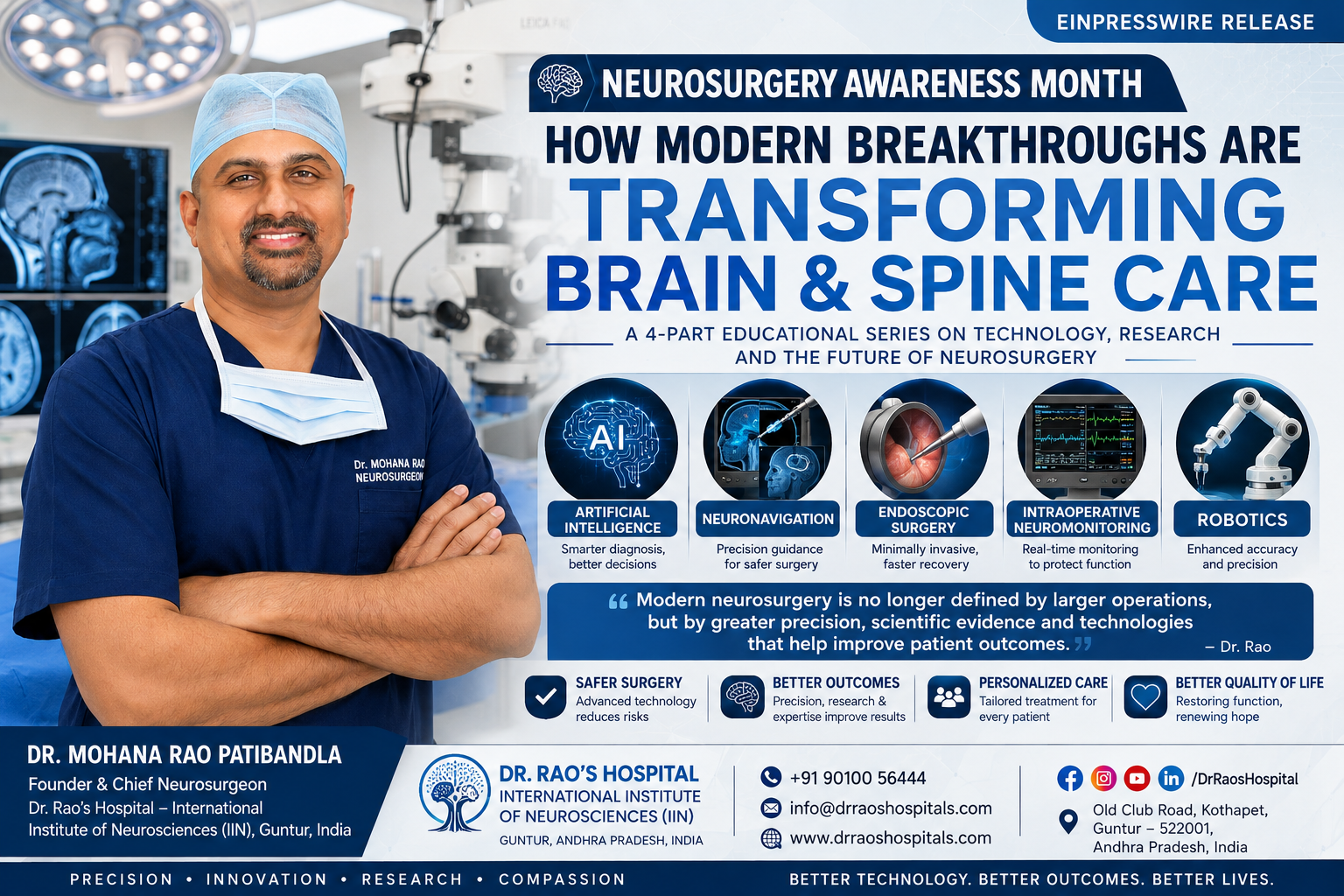
Dr. Mohana Rao Patibandla highlights the latest breakthroughs in neurosurgery, including artificial intelligence, neuronavigation, endoscopic surgery, intraoperative neuromonitoring and robotics, demonstrating how innovation is making brain and spine surg
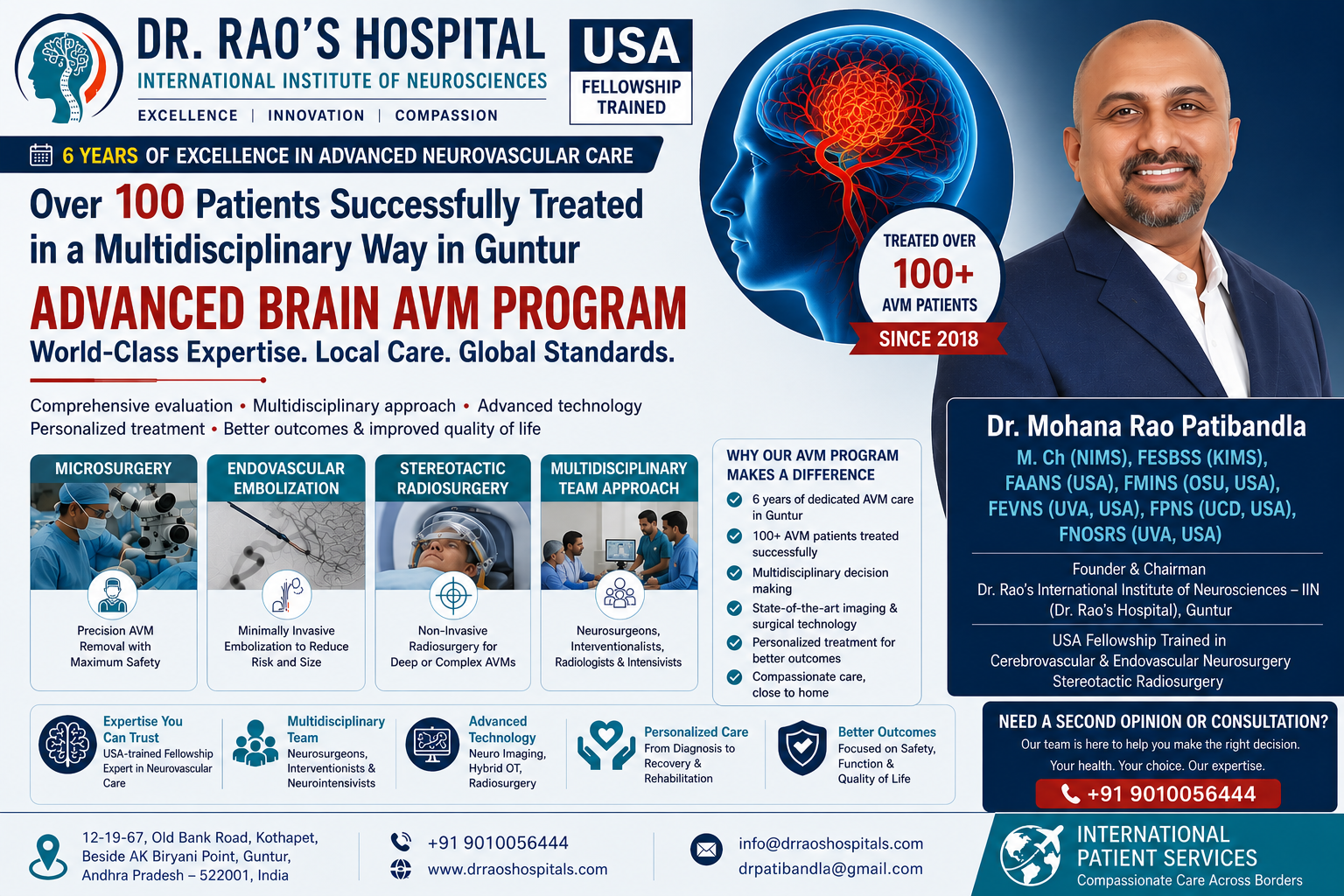
Over 100 patients with brain arteriovenous malformations (AVMs) have been treated through a personalized multidisciplinary approach at Dr. Rao's Hospital – International Institute of Neurosciences, where USA-trained neurosurgeon Dr. Rao integrates microsu
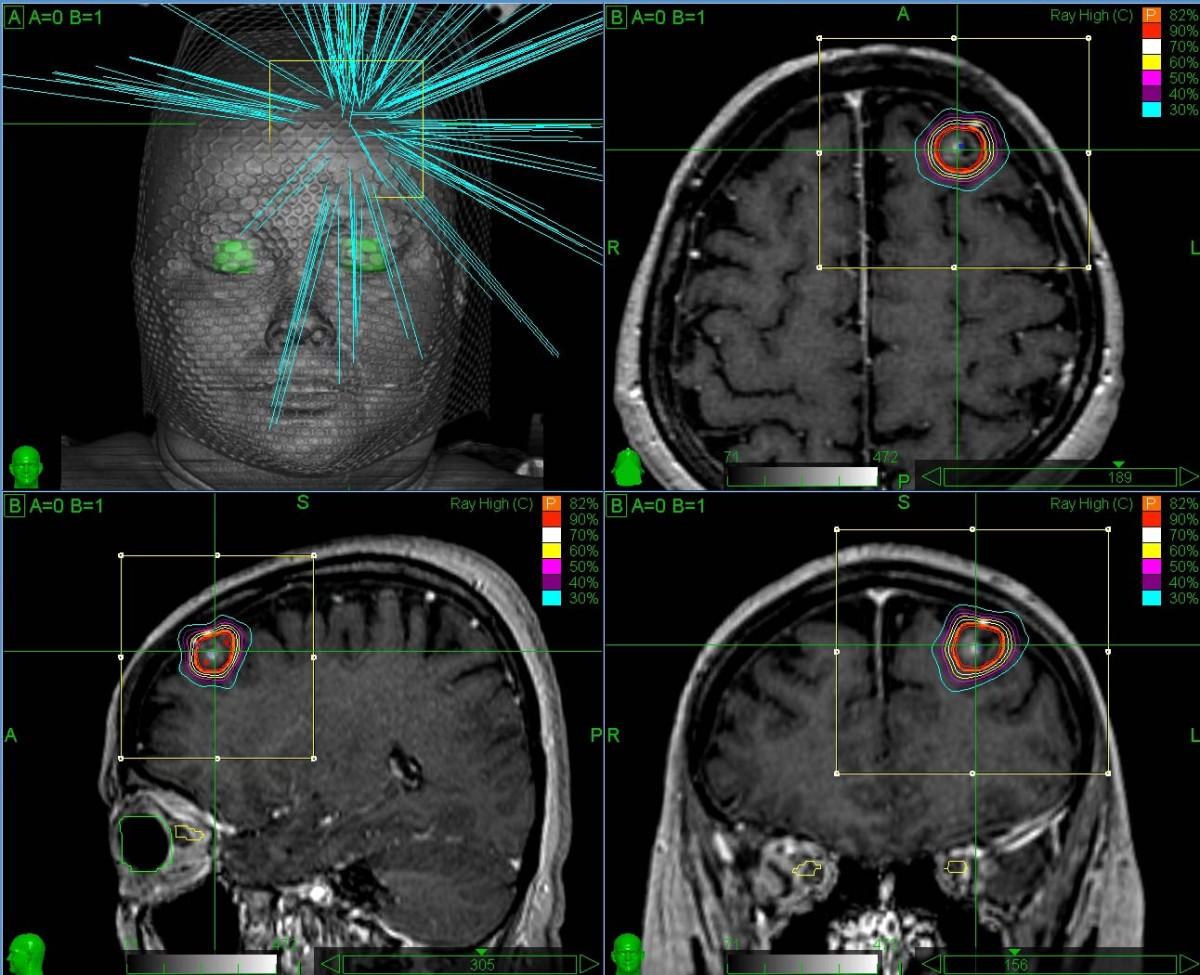
Treatment planning for stereotactic radiosurgery (SRS) demonstrates highly focused radiation beams converging on a frontal convexity meningioma. Advanced MRI-based planning enables precise dose delivery to the tumor while minimizing radiation exposure to
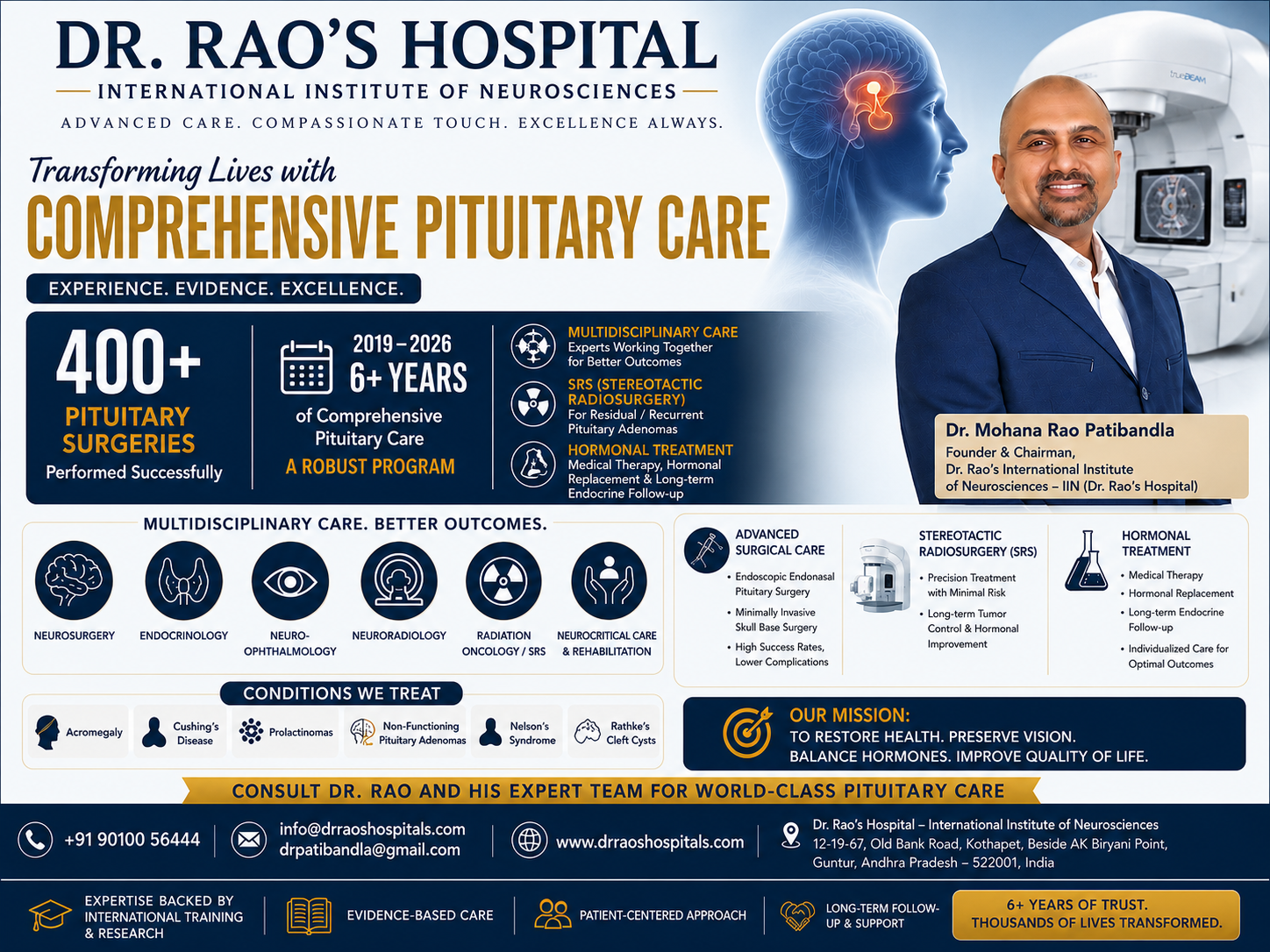
Dr. Rao's Hospital – International Institute of Neurosciences has developed a comprehensive multidisciplinary pituitary program over the past six years, performing more than 400 pituitary surgeries while integrating endoscopic skull base surgery, stereota
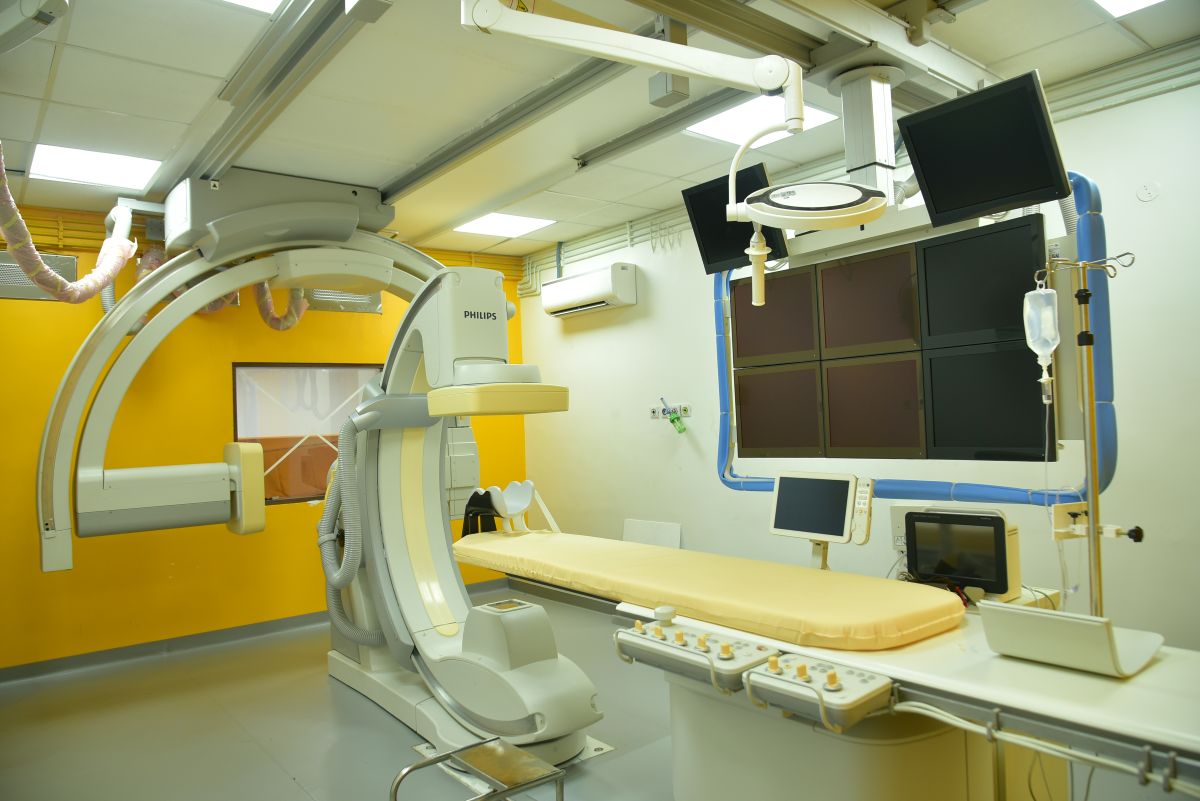
The advanced biplane cath lab at Dr. Rao's Hospital, designed for precision neurovascular procedures and minimally invasive surgeries, first in Andhra Pradesh and Telangana in India.
Neurosurgery Awareness Month explores how AI, neuronavigation, robotics, endoscopy and research are making brain and spine surgery safer and more precise.
Part 1:Why Modern Neurosurgery Is Entering a New Era
Brain and spine disorders remain among the leading causes of disability and death worldwide. Yet many people continue to associate neurosurgery with large operations, prolonged recovery and significant risk. While neurosurgery remains one of medicine's most technically demanding specialties, remarkable advances over the past two decades have transformed the way many neurological diseases are diagnosed and treated.
Recognizing Neurosurgery Awareness Month, healthcare professionals around the world are encouraging greater public awareness of neurological disorders, the importance of early diagnosis and the role of modern technology in improving patient care. Better awareness can help people recognize warning signs sooner and seek timely medical attention before neurological damage becomes permanent.
"One of the biggest misconceptions is that brain or spine surgery should be considered only when there are no other options," said Dr. Mohana Rao Patibandla, Founder and Chief Neurosurgeon of Dr. Rao's Hospital – International Institute of Neurosciences (IIN), Guntur. "Today's neurosurgery is built on precision, evidence-based decision-making and multidisciplinary care. Our objective is not simply to perform successful surgery but to preserve neurological function and improve quality of life."
Twenty years ago, neurosurgeons depended largely on conventional imaging, surgical experience and standard operative techniques. Although many complex procedures were successfully performed, the tools available for planning and guiding surgery were limited compared with those available today.
Modern neurosurgery has evolved into a technology-enabled specialty. High-resolution MRI and CT imaging allow earlier and more accurate diagnosis. Advanced anaesthesia, specialised neurocritical care and structured rehabilitation programmes have improved recovery after surgery. Sophisticated surgical microscopes, image-guided navigation systems and minimally invasive techniques now help surgeons approach many complex conditions with greater precision.
Equally important has been the growth of multidisciplinary neuroscience care. Today, neurosurgeons work closely with neurologists, neuroradiologists, neuroanaesthesiologists, neurophysiologists, rehabilitation specialists and intensive care teams to develop personalised treatment plans for each patient. This collaborative approach has improved the management of brain tumours, spinal disorders, stroke, aneurysms, hydrocephalus, epilepsy and traumatic brain injuries.
Despite these advances, delayed diagnosis remains a major challenge. Persistent headaches, unexplained weakness, numbness, seizures, difficulty walking, changes in speech or balance, and severe neck or back pain accompanied by neurological symptoms should not be ignored. Early evaluation often provides more treatment options and may improve long-term outcomes.
Neurosurgery Awareness Month is therefore about more than celebrating technological progress. It is an opportunity to educate the public, dispel misconceptions and encourage timely access to specialist care. It also highlights an important principle: every advance in neurosurgery begins with research, clinical experience and a commitment to improving the lives of patients.
As the specialty enters an era defined by artificial intelligence, precision imaging, minimally invasive techniques and data-driven medicine, the future of neurosurgery is increasingly focused not only on treating disease but also on restoring independence, preserving function and enhancing quality of life.
Part 2:The Technologies Transforming Modern Neurosurgery
Modern neurosurgery is being reshaped by technologies that improve precision, support clinical decision-making and enhance patient safety. While technology cannot replace the experience and judgment of a skilled neurosurgeon, it has become an essential partner in delivering better outcomes. From diagnosis to rehabilitation, innovation is changing nearly every stage of brain and spine care.
Artificial Intelligence: Supporting Clinical Decisions
Artificial intelligence (AI) is emerging as one of the most promising developments in neuroscience. AI can rapidly analyse large volumes of medical imaging, assist in identifying abnormalities, support surgical planning and streamline clinical workflows.
Researchers are also exploring AI models that may help predict surgical outcomes, estimate treatment risks and personalise care based on individual patient characteristics. However, AI is designed to support clinicians—not replace them.
"Artificial intelligence is a powerful decision-support tool," said Dr. Rao. "The final diagnosis and treatment plan must always be based on clinical expertise, patient evaluation and scientific evidence."
Neuronavigation: A GPS for Brain and Spine Surgery
One of the greatest advances in modern neurosurgery is neuronavigation. Similar to a GPS navigation system, neuronavigation combines detailed MRI or CT scans with specialised software to create a three-dimensional map of the patient's anatomy.
This technology allows surgeons to identify the safest surgical pathway before making an incision and helps maintain orientation during complex procedures. It is particularly valuable when operating near critical areas responsible for speech, movement, vision or memory.
By improving surgical planning and accuracy, neuronavigation contributes to safer, more precise operations.
Endoscopic Neurosurgery: Smaller Openings, Better Visualization
The introduction of high-definition endoscopes has transformed the treatment of many brain, skull base and spinal disorders.
Unlike traditional techniques that may require larger surgical exposures, endoscopic surgery uses a slender camera and specialised instruments to access selected areas through smaller surgical corridors. For appropriately chosen patients, this may reduce tissue disruption, minimise postoperative discomfort and support earlier recovery.
Endoscopic techniques are now widely used in procedures involving pituitary tumours, hydrocephalus, skull base lesions and selected spinal conditions. However, patient selection remains critical.
"Minimally invasive surgery is not appropriate for every condition," Dr. Rao explained. "The best operation is the one that offers the safest and most effective treatment for each individual patient."
Intraoperative Neuromonitoring: Protecting Neurological Function
Modern neurosurgery increasingly incorporates intraoperative neurophysiological monitoring (IONM) to support patient safety during complex procedures.
During surgery, specialised equipment continuously monitors the function of the brain, spinal cord and peripheral nerves. If significant changes are detected, the surgical team receives immediate feedback, allowing them to evaluate the situation and, when appropriate, adjust the surgical strategy.
IONM has become an important component of many brain and spine operations where preserving neurological function is a priority.
Robotics: Precision Through Innovation
Robotic-assisted technology is another area of rapid advancement, particularly in spine surgery. These systems can assist with surgical planning and support accurate placement of implants in selected procedures.
Although robotics continues to evolve, it is best viewed as an extension of the surgeon's capabilities rather than a replacement. Successful outcomes still depend on careful planning, sound clinical judgment and multidisciplinary teamwork.
Together, artificial intelligence, neuronavigation, endoscopy, intraoperative neuromonitoring and robotics represent a new generation of technologies that are making neurosurgery more precise, personalised and patient-centred. Their greatest contribution lies not in replacing surgical expertise, but in helping experienced teams deliver safer care and better outcomes for patients.
Part 3: Research, Innovation and the Future of Neurosurgery
Every major advance in neurosurgery begins with a question. How can a tumour be removed more safely? Can neurological function be better preserved? Is there a less invasive way to treat a complex condition? The answers to these questions are found through research, innovation and the continuous evaluation of patient outcomes.
Unlike many scientific discoveries that begin in a laboratory, advances in neurosurgery often originate in the operating room. Surgeons learn from each complex case, analyse clinical outcomes, compare results with published evidence and share their findings through peer-reviewed journals and international scientific meetings. This process allows new ideas to be carefully evaluated before they become part of routine clinical practice.
"Research is an extension of patient care," said Dr. Rao. "Every patient teaches us something. When we systematically study those experiences and share the results with the medical community, we help improve care not only for our own patients but for patients around the world."
Innovation Driven by Evidence
Innovation in neurosurgery is not about adopting every new technology. It is about identifying solutions that are supported by scientific evidence and have the potential to improve patient outcomes.
Whether introducing a new surgical technique, refining an existing procedure or evaluating advanced technologies such as artificial intelligence, each innovation must be assessed for safety, effectiveness and long-term results. Peer review, clinical research and international collaboration ensure that progress is based on evidence rather than opinion.
Dispelling Common Myths
Despite remarkable advances, misconceptions about neurosurgery remain common.
One of the most widespread myths is that brain or spine surgery is always a last resort. In reality, many neurological conditions benefit from early evaluation, and delaying treatment may reduce available options or allow neurological damage to progress.
Another misconception is that all brain surgery carries the same level of risk. Every patient's condition is different, and treatment decisions are based on factors such as diagnosis, age, overall health and the location of the disease. Modern imaging, advanced anaesthesia, precision-guided surgery and specialised postoperative care have significantly improved the safety of many procedures.
Patients also often believe that neurological symptoms such as persistent headaches, progressive weakness, seizures, balance problems or severe back pain are simply part of ageing. These symptoms should always be medically evaluated, particularly if they are persistent, progressive or associated with changes in movement, speech or sensation.
Global Advances Shaping the Future
The future of neurosurgery is being shaped by international collaboration and continuous innovation. Researchers worldwide are exploring artificial intelligence-assisted diagnosis, advanced molecular imaging, precision medicine, augmented reality, robotics and new approaches to neurological rehabilitation.
At the same time, global scientific meetings and collaborative research networks enable specialists to share knowledge, compare outcomes and accelerate the adoption of evidence-based practices across countries.
According to Dr. Rao, the greatest breakthrough in neurosurgery is not a single technology but the culture of continuous learning that drives the specialty forward.
"The future belongs to research-driven, patient-centred care," he said. "Technology will continue to evolve, but our mission remains unchanged—to deliver safer treatment, preserve neurological function and improve quality of life."
As neurosurgery continues to advance, one principle remains constant: innovation has lasting value only when it translates into better outcomes, greater safety and renewed hope for patients and their families.
Part 4: Frequently Asked Questions, Expert Perspective and Key Takeaways
Frequently Asked Questions
When should someone consult a neurosurgeon?
Persistent or progressive headaches, weakness, numbness, seizures, balance problems, difficulty walking, changes in speech, or severe neck and back pain associated with neurological symptoms should be evaluated by a medical professional. Early assessment often allows more treatment options.
Is brain or spine surgery always dangerous?
Every operation carries risk, but advances in imaging, anaesthesia, surgical planning, neuromonitoring and intensive care have significantly improved the safety of many neurosurgical procedures. Treatment decisions are always based on an individual's diagnosis, overall health and expected benefits.
Does every neurological condition require surgery?
No. Many disorders can be managed with medication, rehabilitation or observation. Surgery is recommended only when it is likely to provide the greatest benefit after careful evaluation.
Dr. Rao's Expert Perspective
"Neurosurgery has entered an era where technology, scientific evidence and multidisciplinary care work together to improve patient outcomes," said Dr. Rao. "However, the most important advances are not machines alone—they are early diagnosis, personalised treatment and continuous research. Every innovation should ultimately help patients live healthier, safer and more independent lives."
Key Takeaways
Early recognition of neurological symptoms can improve treatment options and outcomes.
Modern neurosurgery combines technology with surgical expertise and evidence-based decision-making.
Artificial intelligence, neuronavigation, endoscopy, intraoperative neuromonitoring and robotics are supporting greater precision in patient care.
Research and international collaboration continue to drive innovation in brain and spine surgery.
Patients should seek care from qualified neuroscience teams capable of providing comprehensive evaluation and individualized treatment.
About Dr. Mohana Rao Patibandla
Dr. Mohana Rao Patibandla is the Founder and Chief Neurosurgeon of Dr. Rao's Hospital – International Institute of Neurosciences (IIN), Guntur, India. Internationally fellowship-trained in multiple neurosurgical subspecialties in the United States, Dr. Rao specializes in minimally invasive brain and spine surgery, cerebrovascular and endovascular neurosurgery, skull base surgery, pediatric neurosurgery and neuro-oncology. His work focuses on integrating research, innovation and advanced technology to improve patient outcomes.
About Dr. Rao's Hospital – International Institute of Neurosciences (IIN)
Dr. Rao's Hospital – International Institute of Neurosciences (IIN) is a dedicated neuroscience centre in Guntur, Andhra Pradesh, providing comprehensive care for disorders of the brain, spine and nervous system. The institute combines advanced diagnostic imaging, minimally invasive surgical techniques, neurocritical care, rehabilitation and ongoing clinical research to deliver evidence-based neurological care.
Media Contact
Dr. Rao's Hospital – International Institute of Neurosciences (IIN)
Old Club Road, Kothapet, Guntur – 522001, Andhra Pradesh, India
Phone: +91 90100 56444
Email: info@drraoshospitals.com
Website: https://drraoshospitals.com
Mohana Rao Patibandla
Patibandla Narayana Swamy Neurosciences LLP
+ +91 90100 56444
info@drraoshospitals.com
Visit us on social media:
LinkedIn
Instagram
Facebook
YouTube
X
Legal Disclaimer:
EIN Presswire provides this news content "as is" without warranty of any kind. We do not accept any responsibility or liability for the accuracy, content, images, videos, licenses, completeness, legality, or reliability of the information contained in this article. If you have any complaints or copyright issues related to this article, kindly contact the author above.
